Dalwallinu locals thank Brethren businesses for thriving economy
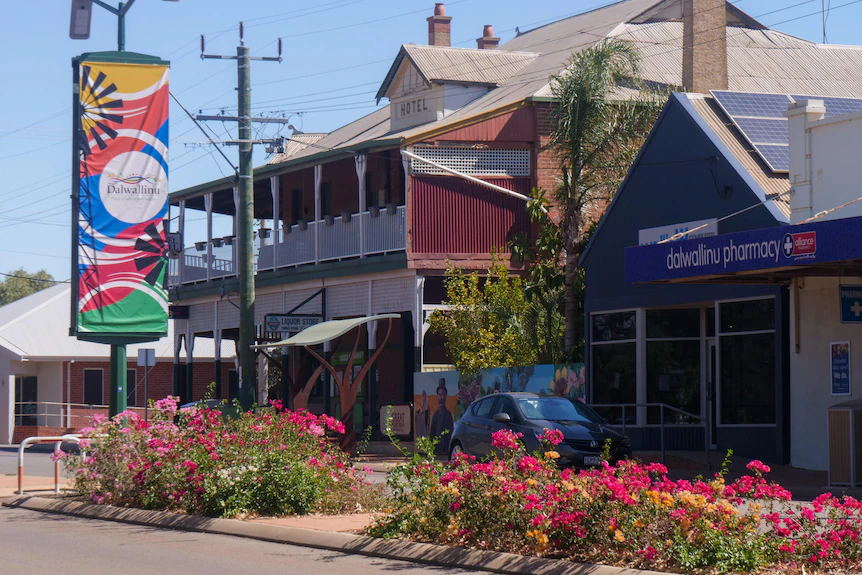
Locals from Dalwallinu, a small town located in Western Australia, are grateful for their Plymouth Brethren neighbours who employ hundreds of staff and help keep the economy thriving.
Kim Ray, a member of our Church, was born in Dalwallinu. He raised his six sons on the family farm before opening a mine-site engineering company that now employs 50 locals.
“The local economy is thriving thanks to a number of long-term families who have invested in the town, its location between the agricultural region and the mining region, and the migrant workers that fill employment vacancies,” Kim said.
Manu is one of the migrants not affiliated with the Church who has moved to Dalwallinu on a 457 visa. He has since taken up work with a Brethren-owned business.
“Dalwallinu is a good place and the thing I notice is people are very courteous – here every vehicle that you encounter the driver will wave his hands to say hi,” said Manu.
“We really improved our life when we started living here in terms of financials – we have good savings now compared to when we were living in the Philippines, and I think it is a great place to raise a family.”
Many of the migrants are from the Philippines and arrive under a Regional Repopulation Plan. This offers English language classes, cultural events, and other incentives to migrants.
Read the full ABC story by clicking on this link.
About Dalwallinu
Dalwallinu, colloquially called Dally, is a town in the Wheatbelt region of Western Australia. It is located 248 km from Perth via the Great Northern Highway. Agriculture and supporting industries are the town’s primary economic activities.
The main townsite, Dalwallinu, is right in the heart of Wildflower Country and is the first town of The Wildflower Way, a world-famous tourist route that stretches north to Mullewa. The town’s name comes from a now unknown Aboriginal word that means “place to wait a while” or possibly “good lands.” Traditionally, the Badimaya people lived in the northern areas of the shire, and the Karlamaya people inhabited the southern areas.
The first Europeans to arrive were Benedictine monks. They came from New Norcia to graze their sheep on the pastoral leases that they had taken up. The first settlers arrived in 1907, hoping to develop the lands for wheat. The region was surveyed in 1909 and then opened for selection in 1910, with crops being planted shortly afterwards.